
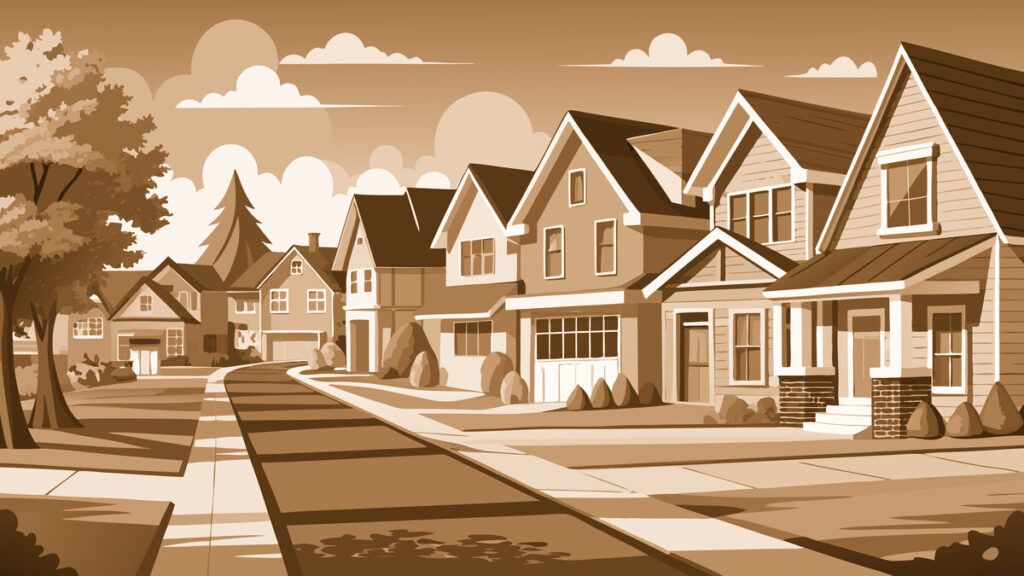
Nestled within the leafy village of Kenilworth, the Greeley neighborhood has long been celebrated for its picturesque streets, storied past, and enduring sense of community. Strolling down Raleigh Road as dusk settles or admiring the stately homes along Warwick and Leicester, one quickly realizes that Greeley is a neighborhood where history breathes at every corner. For newcomers and lifelong residents alike, understanding Greeley’s origins and evolution helps deepen appreciation for this jewel of the North Shore.
The Origins: How Greeley Got Its Name
The story of Greeley begins with the birth of Kenilworth itself in the 1890s. The neighborhood’s name pays homage to Horace Greeley, a notable 19th-century newspaper editor, politician, and social reformer. While Mr. Greeley himself never lived here, his ideals of progressive thinking and community uplift resonated with the area’s earliest planners and residents. Naming the neighborhood “Greeley” mirrored a tradition throughout Kenilworth of recognizing great American figures and writers, and it reflected an aspiration to create a thoughtful, close-knit enclave.
Greeley School, founded in 1911 at 275 Fairview Avenue, quickly became both a cornerstone and namesake for the area. Over generations, it has anchored the community—its iconic red brick façade a familiar sight to families and a symbol of the neighborhood’s commitment to education and unity.
Key Historical Milestones
The foundations of Greeley’s identity stretch back to its days as part of Joseph Sears’ grand vision for Kenilworth. As the suburb boomed in the early 20th century, carefully plotted streets and generous home sites attracted Chicago families seeking tranquility and green space. The arrival of the Chicago & North Western Railway, with Kenilworth’s stately station at its heart, made daily commutes possible, further fueling the neighborhood’s growth.
Over the decades, Greeley has witnessed:
- The Roaring Twenties: The 1920s saw a flurry of homebuilding and architectural refinement. Stately Tudors on Raleigh Road, Georgian Revivals on Leicester, and Arts & Crafts gems dotted Sheridan Road—all preserved today as reminders of the neighborhood’s golden age.
- The Great Depression and War: Through economic challenges in the 1930s and the sacrifices of World War II, Greeley’s families rallied together. The school became a center for community drives and gathering—a role it continues to play.
- Suburban Expansion: Postwar decades brought waves of new residents, with Greeley’s blend of tree-lined quietude and access to parks, like nearby Townley Field, making it ideal for growing families.
Notable Landmarks and Institutions
Greeley’s enduring character is perhaps best witnessed in its landmarks:
- Greeley School: As both an architectural anchor and a living institution, the school is the heart of the neighborhood. Generations have walked its halls, gathering for holiday concerts and field days on its generous lawn.
- Stately Homes: Many Greeley homes date to the early 20th century, featuring expressive period architecture. The homes on Kenilworth Avenue and Raleigh Road, in particular, are beloved for their craftsmanship and historical integrity.
- Tree-Lined Boulevards: Streets like Raleigh, Leicester, and Warwick are shaded by mature oaks and maples planted by early residents—some trees now well over a century old.
- Proximity to Major Parks: While not within Greeley’s tight borders, the nearby Kenilworth Beach and Townley Field have become popular retreats for residents. These spaces fostered the sense of “village within a city” that continues to define the neighborhood today.
Greeley Over the Decades: Community and Continuity
What sets Greeley apart, locals agree, is its unwavering sense of community. Throughout the decades, neighbors have watched out for one another, with block parties on Raleigh Road, holiday parades on Leicester, and impromptu gatherings in front yards becoming the norm. Generations of children have walked or biked to Greeley School, forging lifelong friendships and a sense of shared history.
Architectural covenants and thoughtful zoning have preserved the neighborhood’s quiet charm and spacious lots, even as surrounding areas have grappled with the pressures of development. Walking down Raleigh Road today feels much as it did in decades past: quiet except for the laughter of children, the distant clang of a school bell, and the soft rustle of wind in the trees.
A Neighborhood That Honors Its Past
Perhaps most remarkable about Greeley is its commitment to honoring tradition while remaining lively and relevant. Many homes are lovingly maintained by second or third-generation families. Newcomers, drawn by the neighborhood’s reputation, often remark on its welcoming spirit—a spirit passed down from the early days of Kenilworth.
Residents take pride in initiatives to preserve trees, sponsor school projects, and organize history walks highlighting Greeley’s architectural and civic heritage. Whether attending a local event at Greeley School, joining garden tours, or simply waving to neighbors from a porch on Kenilworth Avenue, life in Greeley is shaped by a deep respect for what came before.
Why Greeley Endures
In a rapidly changing world, Greeley remains a testament to the values that first inspired its creation: thoughtful planning, community engagement, and an appreciation for beauty, education, and stability. Its legacy is seen not just in its handsome homes and leafy avenues but also in the shared stories of those who have called it home.
For longtime residents and those just discovering its tree-canopied streets, Greeley offers a rare blend of history and heart—a neighborhood where heritage is more than memory, but a living, breathing way of life.